


Neurodermatitis: Why the Itching Gets Worse in the Evening and What You Can Do About It
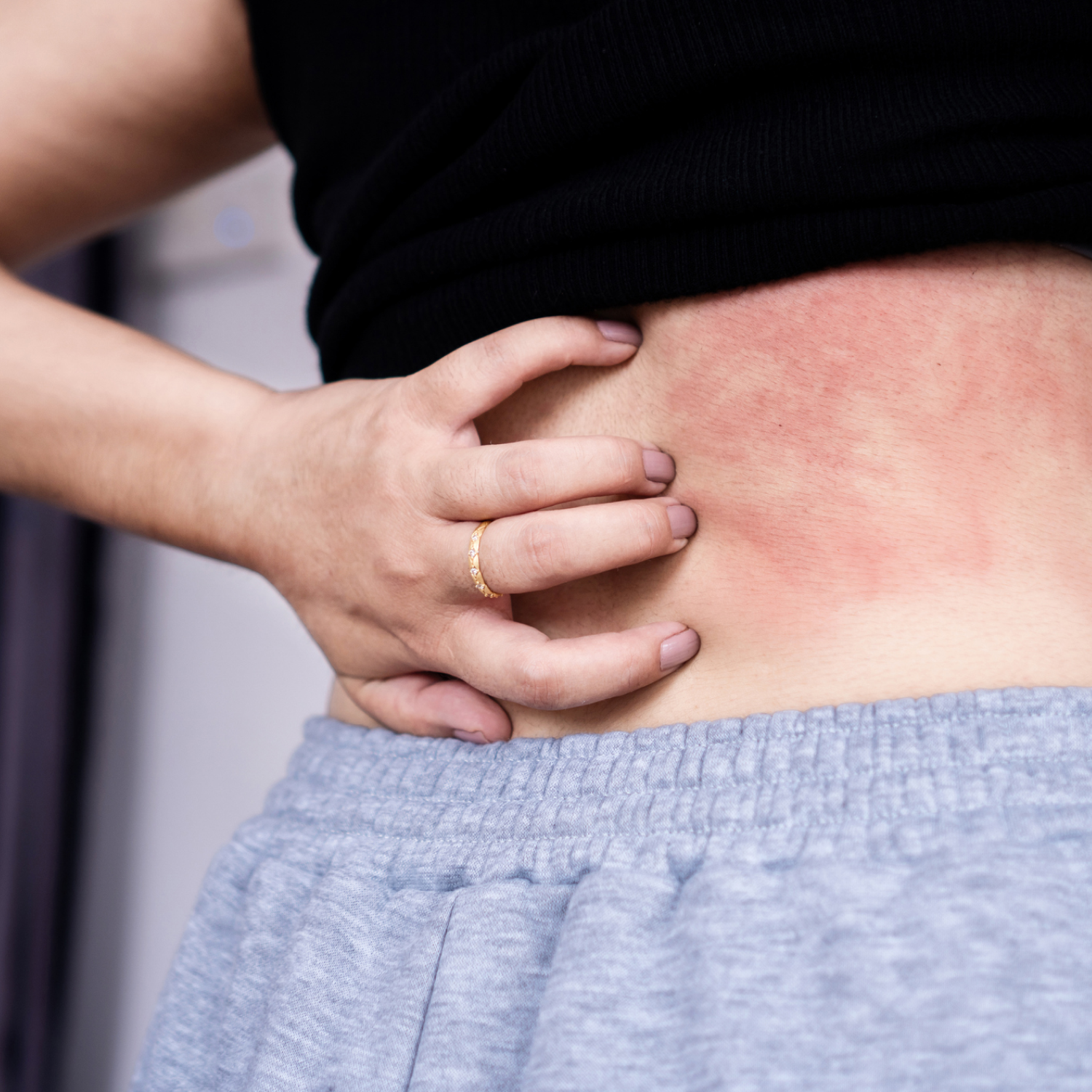
Itching is one of the most burdensome symptoms of neurodermatitis for many people. It’s hard to ignore, it interrupts your thoughts, and in the worst moments it can drive you almost crazy. Especially in the evening, when you finally want to relax, the day is over, and sleep is all you need — that’s exactly when the skin starts itching intensely.
Many people with neurodermatitis know this pattern without realizing there’s a biological reason behind it: The itching gets worse in the evening because the body functions differently at night than during the day. Three mechanisms work together to make the evening the most difficult time of day for many sufferers.
In this article, you’ll learn why itching from neurodermatitis intensifies in the evening and what you can specifically do to relieve it and get through the night better.
Why Does Itching Get Worse in the Evening with Neurodermatitis?
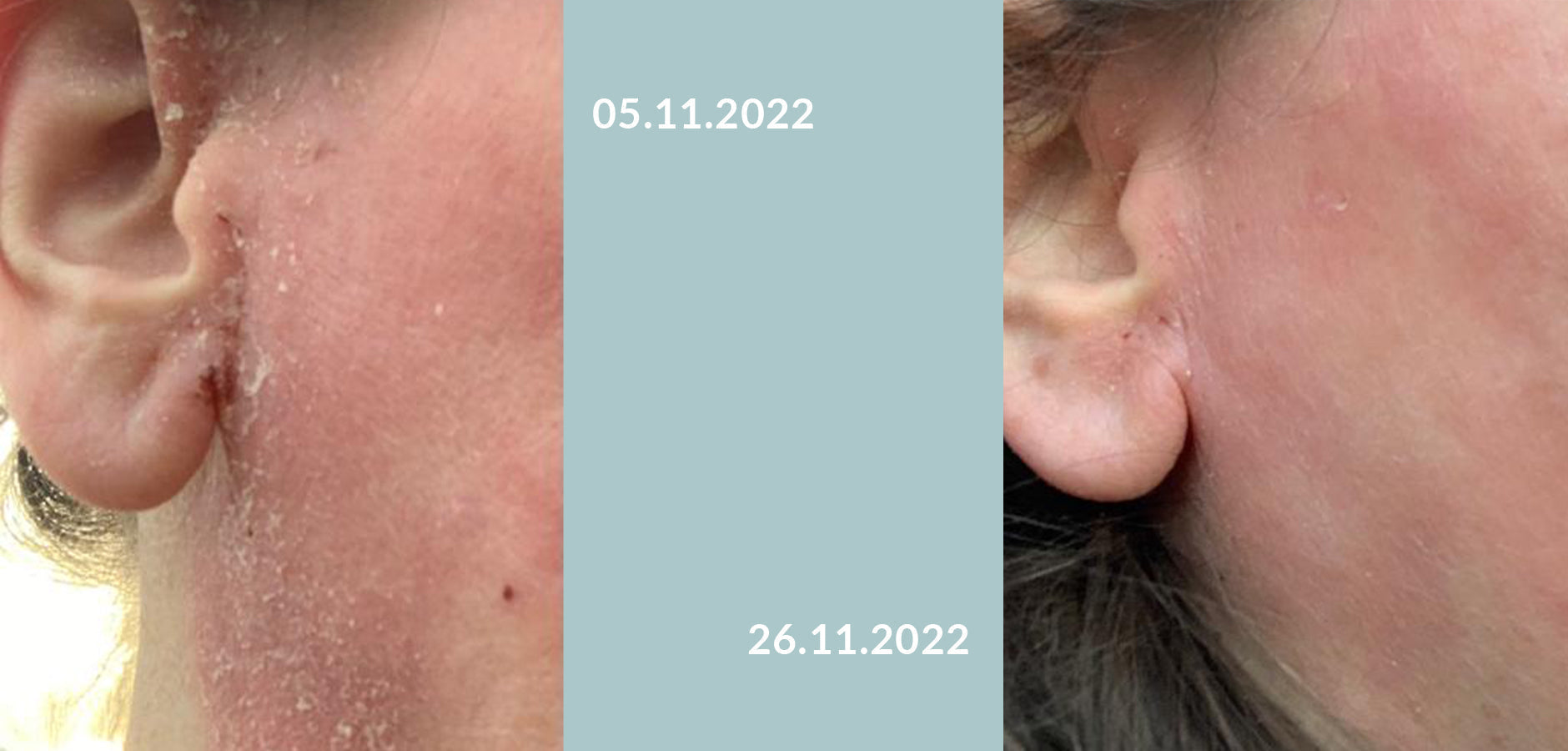
Neurodermatitis — medically also known as atopic dermatitis — is a chronic inflammatory skin condition in which the skin reacts permanently more sensitively than normal skin. The fact that itching becomes particularly intense in the evening is due to three mechanisms that reinforce each other.
1. Cortisol Levels Drop – Removing a Natural “Inflammation Brake”
Cortisol is known as the stress hormone. Less well known is its second role: it has anti-inflammatory effects. During the day, cortisol levels are high and keep inflammatory reactions in the body under control.
In the evening and at night, cortisol levels drop. For people without neurodermatitis, this is barely noticeable. For those with neurodermatitis, however, this drop means the body can suppress inflammatory reactions in the skin less effectively in the evening. The natural “brake” weakens and the skin reacts more sensitively.
2. Body Temperature Rises and Hypersensitive Nerves React Immediately
When you lie down in the evening, your skin warms up under the blanket. Blood circulation increases and blood vessels dilate. In neurodermatitis, the nerves in the skin are hypersensitive — and increased blood flow means more stimulation, more signals, and more itching.
Heat is one of the most common triggers for neurodermatitis, and often the warmth that builds up under the blanket in the evening is enough to activate the hypersensitive nerves.
3. Lack of Distraction – The Brain Focuses on the Itch Signal
During the day, the brain is busy: work, conversations, movement. All of this creates stimuli that push the itching into the background. The brain prioritizes which signals deserve attention.
In the evening, when the hustle of the day subsides, the itching moves to the foreground. The mind suddenly has nothing else to process, and what was somewhat bearable during the day can suddenly feel much worse in the evening or at night.
Relieving Evening Itching from Neurodermatitis: 6 Measures That Can Help You
None of these measures will make the itching disappear overnight. However, if you incorporate them into your evening routine, you can actively support your body and skin so that the itching decreases in the evening and your nights become more restful.
1. Keep the Bedroom and Living Spaces Cool
One of the simplest things you can do against evening itching is also the most inconspicuous: lower the room temperature. 17 to 19 degrees Celsius is ideal for the bedroom. It may sound cool at first, but that’s exactly the point. A cooler environment prevents the heat trigger from building up. Less warmth on the skin means less stimulation for the nerves.
Important: Don’t wait until you’re in the bedroom. If you spend the evening in a warm living room and then go straight to bed, you’re not doing yourself any favors. Keep the bedroom window closed during the day when it’s warm outside and air it out well in the evening. This helps more than many people think.
2. Shower in the Evening to Wash Away the Day’s Irritants
Showering in the evening has a very specific benefit for people with neurodermatitis: Throughout the day, pollen, sweat, dust, and other irritants accumulate on the skin. If you don’t shower in the evening, you take all of that to bed with you. The skin then has hours of contact with exactly the substances that can trigger inflammatory reactions.
When showering: Keep the water at a maximum of 35 to 37 degrees. Hot water dilates blood vessels and can immediately intensify itching. A short shower is better than a long one. And the fewer irritating ingredients in your shower gel and shampoo, the better for your skin.
3. Salt Shower for Neurodermatitis: How Sea Salt Can Calm the Skin and Relieve Itching
Many people with neurodermatitis know the phenomenon: After a beach holiday, the skin feels noticeably calmer, less irritated, and less tight. This is due to the composition of seawater.
Seawater contains minerals such as magnesium, potassium, and calcium. These minerals support the skin’s natural protective function and can help strengthen the skin barrier. In neurodermatitis, this barrier is weakened, allowing irritants to penetrate more easily and trigger inflammation. Salt also has a cleansing effect on the skin’s surface and can help reduce bacteria that often worsen inflammation in neurodermatitis. The result: The skin feels calmer.
With the shower+ salt shower, you can easily incorporate this effect into your evening routine. At the end of your shower, simply insert the Stick+ into the Base+ and rinse your skin briefly with the salt water. Most importantly: Do not rinse off the salt water afterwards so it can remain on the skin.
4. Sleepwear for Neurodermatitis: Which Materials Affect Nighttime Itching
Clothing is an often underestimated factor when it comes to evening itching. Synthetic fabrics and tight fits trap heat and create a microclimate of warmth directly on the skin. This is exactly what can fuel the heat trigger in the evening. Loose cuts made of smooth cotton allow the skin to breathe and cause significantly less irritation.
One option that many sufferers find surprisingly effective: Skip the pajamas altogether at night. Sleeping without clothing avoids friction, heat buildup, and constant contact between fabric and skin. Whether this is the right solution for you depends on your skin, but it’s worth trying.
5. Stress and Neurodermatitis: How Overthinking Makes Evening Itching Worse
Stress is a well-known trigger for neurodermatitis. However, the connection goes deeper than many realize: When you lie down in the evening and start overthinking — about the day, tomorrow, or what’s still unfinished — your nervous system remains in an activated state. The body is tired, but the mind hasn’t calmed down yet. And that’s exactly when itching gets more space.
A simple method that helps many people: Before going to bed, sit down briefly and write down what’s been on your mind — worries, open thoughts, to-dos. The goal is to empty your head. What’s written down no longer needs to be held in the back of your mind. You don’t take it to bed with you and are less likely to ruminate at night.
6. Keep Distraction Tools Within Reach
Sometimes the itching still comes at night despite everything. Then it’s about intercepting the urge to scratch without further damaging the skin. Scratching creates a different stimulus that briefly overrides the itch signal. You can imitate this effect with other tools that don’t harm the skin.
Three things that can help:
- Cooling gel pack or cold pillow: Place it briefly on the affected area. The cold overrides the itch signal and simultaneously counters the heat trigger.
- Metal hedgehog ball (spiky massage ball): The cool, even pressure on the skin creates a different stimulus that the brain can focus on. The metal material also has slightly sharper and firmer spikes than a classic rubber ball, making it a better counter-stimulus.
- Acupressure mat: Similar effect. Stand on it briefly, lie on it, or place your hand on it. The many small pressure points give the body lots of new stimuli at once and distract from the itch signal.
These tools do not replace medical treatment. But if you keep them within reach in the evening, you’ll have alternatives ready when the itching becomes overwhelming.
When Should You See a Doctor?

If the itching is persistently so severe that you sleep poorly for weeks, if skin areas are weeping or inflamed, if scratched areas worsen despite care, or if no everyday measures help anymore, seeing a dermatologist is the right next step.
Conclusion: Getting Through the Night with the Right Evening Routine
Evening itching in neurodermatitis has biological causes — and therefore concrete starting points with which you can calm the itching at night and make your evenings more pleasant.
The most important measures at a glance:
- Consistently keep the bedroom and living spaces cool (17 to 19 °C)
- Shower in the evening to remove the day’s irritants (water max. 37 °C)
- Incorporate the salt shower as a fixed evening ritual — do not rinse off the salt water afterwards
- Reconsider sleepwear: smooth cotton or sleep without pajamas
- Write down your thoughts in the evening to clear your mind before sleep
- Keep distraction tools within reach: cooling pack, metal spiky ball, acupressure mat
→ Would you like to incorporate the salt shower into your evening routine?
Here’s where you can find Shower+:

THE STARTER SET – EVERYTHING YOU NEED FOR YOUR SALT SHOWER
The daily skincare routine with 100% natural pressed sea salt in just 3 minutes, specially for acute skin problems. A gentle alternative to a salt bath for people with skin conditions such as neurodermatitis, psoriasis, acne, and sensitive skin.
The Starter Set includes one Base+, 14 Sticks+, sealing rings, a cleaning brush & the installation tool.
Bring the sea into your shower!

FREQUENTLY ASKED QUESTIONS
How long can I shower with one Stick+?
Can I install the attachment on any shower?
The Base+ was deliberately designed to fit almost all standard shower setups. Only flush-mounted fittings without a G ½“ outlet at tile level are not compatible with shower+ products. If you encounter any installation issues, please contact our customer service: kundenservice@showerplus.de

2 comments
Anja Müller
Der Beitrag war super. Ich benutze die Salzdusche seit 3 Jahren und würde mich freuen wenn es Treuepunkte geben würde.
Silke Hannes
Super spannender Beitrag. Ich nutze die Salzdusche jetzt schon seit 3 Jahren. Ich bin nach wie vor fan. Gibt es vielleicht irgendwann mal sowas wie ein Treueprogramm?
Leave a comment
This site is protected by hCaptcha and the hCaptcha Privacy Policy and Terms of Service apply.